- Free consultation hotline: (+84) 935.289.747
- Hotline: 0935.289.747
 Tiếng việt
 English
News & Experience
News and Experience

What are the popular types of companies and businesses in Vietnam? Ways to differentiate?
1,433 views
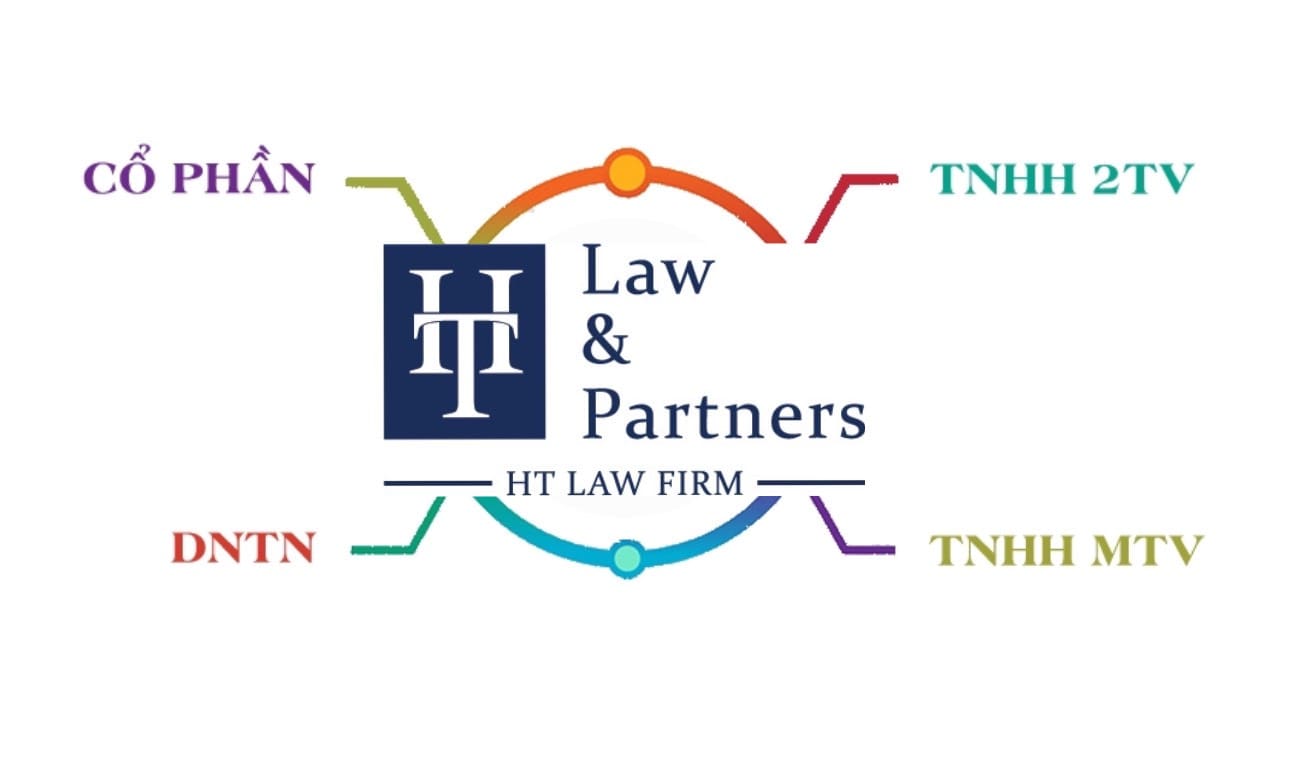
CORPORATE LIMITED TWO OR MORE MEMBERS
A limited liability company is a type of enterprise with legal status recognized by law (Based on the Enterprise Law 2020). A two-member limited liability company has legal status from the date of issuance of the business registration certificate..
The company owner and the company are two separate legal entities. A company owner is a natural person with rights and obligations corresponding to company ownership.
Type of LLC with 2 or more members must have a minimum of 2 members and a maximum of 50 capital contributing members.
| ADVANTAGES | DISADVANTAGES |
|---|---|
|
|
| If you still have any questions, please contact us | |
SINGLE MEMBER LIMITED COMPANY
A limited liability company is a special form of a limited liability company and has legal status recognized by law (Based on the Enterprise Law 2020). Members have legal status from the date of issuance of the business registration certificate.
A one-member limited liability company with only one member as the owner. The owner of a single-member LLC can be an organization or an individual.
The company owner is not allowed to directly withdraw part or all of the capital contributed to the company. Company owners are only entitled to withdraw capital by transferring part or all of the capital to another organization or individual.
The company owner is not allowed to withdraw the company's profits when the company fails to pay all due debts and other property obligations.
| ADVANTAGES | DISADVANTAGES |
|---|---|
|
|
| If you still have any questions, please contact us | |
JOINT STOCK COMPANY
A joint stock company is a type of company in which the charter capital is divided into equal parts called shares that are established and exist independently.
A joint stock company must have a General Meeting of Shareholders, a Board of Directors and a Director (General Director), and for a joint stock company with more than eleven shareholders, there must be a Control Board. Shareholders are only responsible for debts and other property obligations of the company within the amount of capital contributed to the company, and have the right to freely transfer their shares to others. The minimum number of shareholders is three and no maximum quantity limit.
Joint stock companies have the right to issue securities in accordance with the provisions of securities law.
| ADVANTAGES | DISADVANTAGES |
|---|---|
|
|
| If you still have any questions, please contact us | |
Services and reference articles:
>>> Business establishment services/company establishment services
>>> Services for establishing foreign-invested enterprises




Leave your questions, we will answer IN 15 MINUTES